
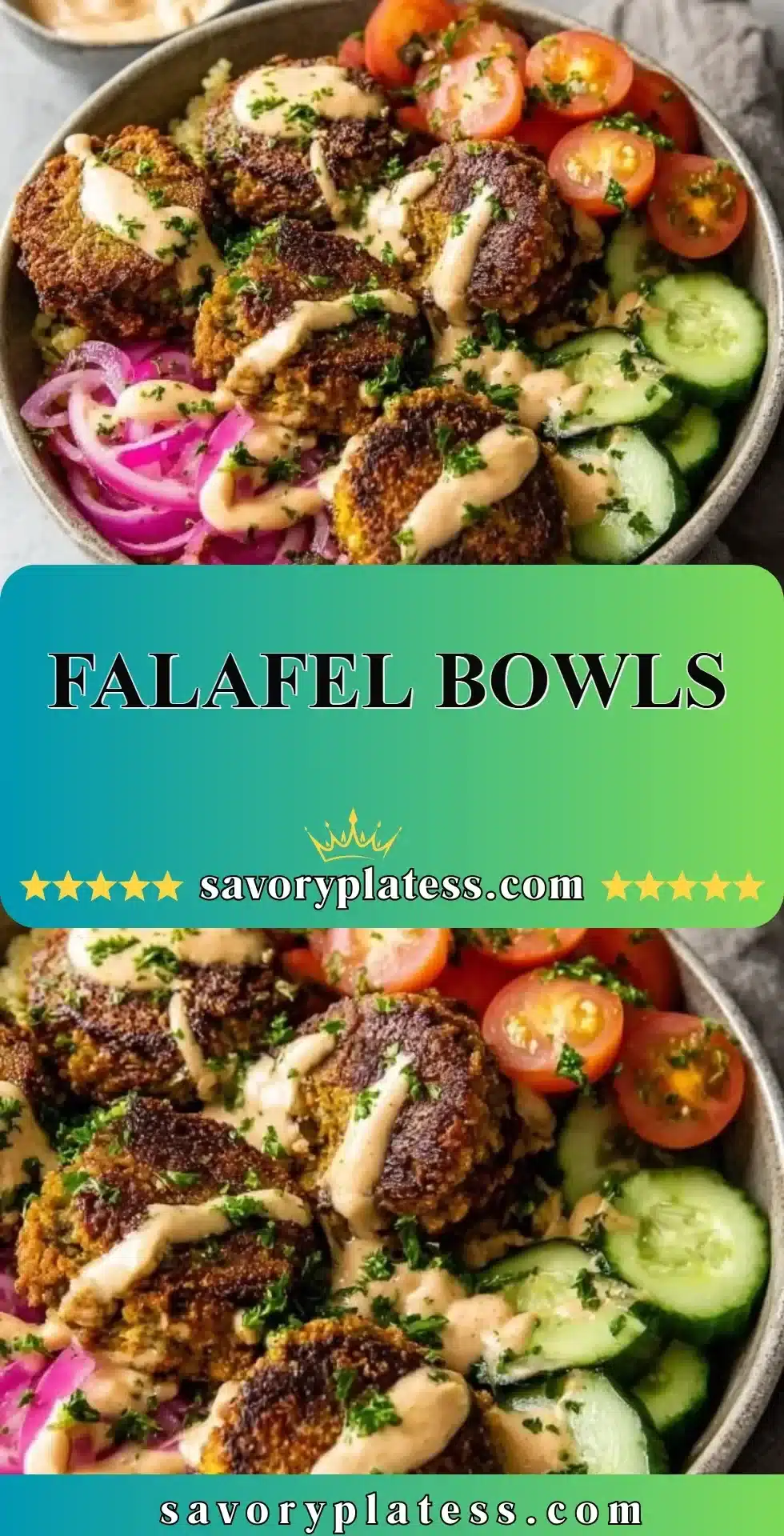
When I first experienced the delightful crunch of a falafel bowl, I felt like I had stumbled upon a treasure. It was a warm summer evening, and I had made my way to a tiny food stall in Asheville, where the air was rich with spices and the chatter of happy diners filled the atmosphere. The moment I took my first bite, the crispy, golden-brown falafel danced on my taste buds, mingling with fresh vegetables and a creamy tahini dressing that tied everything together. Falafel bowls quickly transformed from just another dish into a comforting embrace on a plate, a reminder that food is meant to be shared and celebrated with those you love.
In my home, falafel bowls have become a family favorite, easy to whip up and even easier to enjoy. Every time they grace our dining table, I’m transported back to that first bite, full of rich flavors and colorful textures. These bowls have not just become our go-to meal but a canvas for creativity. I often find myself experimenting with new ingredients, from adding grilled vegetables to sprinkle with herbs I’ve picked from the garden. Each serving is a melody of vibrant colors and tastes, delightful enough to make anyone smile.
Flavor and Popularity
The Unique Flavor Profile of Falafel Bowls
Falafel bowls bring together an incredible harmony of flavors that will make your mouth water. The star of the show—crunchy falafel—offers an earthy taste with hints of cumin and coriander. These delightful balls of chickpeas burst with umami while their golden crust delivers satisfying crunch. When nestled atop a bed of greens, they invite the fresh, crisp textures of tomatoes, cucumbers, and radishes to join the party.
Adding a creamy tahini sauce brings a nutty depth that binds all the ingredients harmoniously. You can tweak the quantities to suit your taste buds, adding garlic for a punch or lemon juice for a zesty kick. Picture each bite: the crunch of falafel, the coolness of veggies, and the richness of the sauce; it’s a journey of flavor that brightens even the dullest day.
Why This Recipe Is a Family Favorite and Crowd-Pleaser
In many ways, falafel bowls have become a staple at family gatherings. They cater to various dietary needs—vegan, vegetarian, and even gluten-free! Watching everyone gather around the table, excitedly assembling their own bowls, fills my heart with joy. The beauty of these bowls lies in their versatility; you can swap ingredients based on preferences or seasonality without losing that essential falafel magic.
Whenever I serve falafel bowls, the compliments come pouring in. Friends often ask for my "secret" to making them so flavorful, but I simply smile and remind them it’s all about quality ingredients and love. They help make every meal memorable, transforming my kitchen into a warm gathering space where sharing joyful stories is as important as savoring every bite.
Essential Ingredients and Possible Substitutions
To make the perfect falafel bowls, you’ll want to gather a few essential ingredients. Here’s what you’ll need:
Chickpeas: The base of your falafel; use dried or canned but remember that soaked and cooked chickpeas yield the best texture.
Fresh herbs: Parsley and cilantro will brighten up your falafel with aromatic freshness.
Spices: Cumin, coriander, and, for a little heat, cayenne pepper or paprika will enhance the depth of flavor.
Garlic: Fresh cloves bring a pungent kick that’s hard to resist.
Onion: A sweet or yellow onion finely minced will add a savory layer.
Baking powder: This secret ingredient gives your falafel a fluffy texture.
Tahini: A luscious sesame paste that makes a perfect dressing or dipping sauce.
Lemon juice: Freshly squeezed lemon brings bright acidity that balances beautifully with the rich flavors.
Your favorite greens: Mixed salad greens, spinach, or even shredded cabbage create a delightful base for your bowl.
Veggies: Fresh cucumbers, tomatoes, bell peppers, and avocados provide a pop of color and crunch.
Pita bread or alternative carbs: Toasted pita chips or quinoa make a nice addition to enhance texture and satisfaction.
If you need substitutions, don’t worry! You can use canola or sunflower oil instead of olive for frying the falafel. If you’re out of fresh herbs, dried spices can offer a different yet delightful nuance. For a gluten-free option, skip the pita and serve falafel with rice or quinoa.
Step-by-Step Recipe Instructions with Tips
- Prepare the Chickpeas: If using dried chickpeas, soak them overnight in water. The next day, rinse and drain well. For canned chickpeas, simply drain and rinse.
- Make the Falafel Mixture: In a food processor, combine the chickpeas, herbs, garlic, onion, and spices. Pulse until coarse but well combined. You want a mixture that holds together yet isn’t too smooth.
- Add the Baking Powder: Sprinkle in the baking powder and a pinch of salt. Mix until fully incorporated. Let the mixture rest for 30 minutes—this is crucial for flavor development!
- Shape the Falafel: Lightly oil your hands and form small balls or patties with the chickpea mixture, placing them on a parchment-lined baking sheet.
- Fry or Bake: Option 1: Submerge the falafel in hot oil until golden brown, about 3-4 minutes per side. Option 2: Preheat your oven to 375°F (190°C), and bake for about 20 minutes, flipping halfway for a crispy finish.
- Prepare the Tahini Sauce: Whisk together tahini, lemon juice, minced garlic, and a little water until smooth. Add salt to taste. If it’s too thick, just add more water until you reach the desired consistency.
- Assemble Your Bowls: Start with a layer of greens, add the crispy falafel, then top with your favorite veggies. Drizzle the tahini sauce generously over the top, and finish with fresh herbs or sliced avocado.
Cooking Techniques and Tips
How to Cook Falafel Bowls Perfectly
Getting the texture just right is paramount to dazzling yourself and your loved ones with falafel bowls. Resting the chickpea mixture before frying or baking is non-negotiable; it enhances both flavor and structure. Also, don’t overcrowd the pot when frying—this helps them cook evenly and achieve that mouthwatering crunch.
If you’re baking, a little oil brush on top can give that golden finish to your falafel. Meanwhile, experiment with herb blends, so you never get bored. Try adding dill, mint, or even spicy harissa for a unique twist!
Common Mistakes to Avoid
One common pitfall that can lead to disappointment is using cooked or overly mushy chickpeas. Stick to dried, soaked and softened peas for a perfect texture. Additionally, don’t skip the baking powder, as it plays a crucial role in achieving that light, fluffy interior.
Cooking at too high a temperature can also lead to burnt exteriors and raw centers—aim for a medium heat when frying for even cooking. Lastly, let your falafel rest for a bit before serving; this helps them stay together when you dig in, ensuring perfect bites every time.
Nutritional Value of Falafel Bowls
Falafel bowls are not just delicious; they’re also packed with nutrition. Chickpeas are high in protein, fiber, and essential vitamins, making them a fantastic plant-based protein source. When paired with fresh vegetables, you’re adding valuable vitamins and minerals, contributing to a well-rounded meal.
Tahini, rich in healthy fats and antioxidants, also provides calcium, adding nutritious value to your dish. By customizing your bowls with an array of colorful veggies, you effortlessly introduce additional nutrients to the plate. These bowls are as wholesome as they are satisfying!
Best Ways to Serve and Pair This Dish
Falafel bowls shine when served in unique arrangements. Pair them with hummus for an added layer of flavor and dip. My favorite way is to create a falafel platter, allowing everyone to build their version using various toppings like pickled onions, roasted chickpeas, or even a dollop of yogurt for creaminess.
You can complement your falafel bowls with a side of roasted vegetables or a vibrant tabbouleh salad for freshness. For a refreshing drink, consider iced mint tea or a lemony soda to balance out the savory spices.
What type of mushrooms are best for Falafel Bowls?
While mushrooms can add a delicious twist to falafel bowls, I recommend using ones that can hold their shape and add texture. Shiitake or portobello mushrooms bring a wonderful umami richness to the dish. Simply sauté them with a little olive oil and garlic to enhance their natural flavors.
Can I use dried garlic instead of fresh?
Yes, you can! While fresh garlic adds a robust and vibrant punch, dried garlic can work in a pinch. Just remember, dried garlic is more concentrated, so start with about a third of the amount you’d use with fresh.
How do I store leftover Falafel Bowls?
If you have leftovers, store the falafel and vegetables separately to keep everything fresh. Place the components in airtight containers and keep them in the refrigerator for up to three days. Recrisp falafel in a hot skillet for the best result when you’re ready to enjoy them again.
Can I freeze Falafel Bowls?
Absolutely! You can freeze uncooked falafel balls before frying or baking them. Place them on a baking sheet to freeze individually, then transfer to a freezer bag—just remember to label them! They can be stored for up to three months. You can bake or fry right from frozen; just double the cooking time.
If you’re like me, you’ll find joy in creating something as colorful and delicious as falafel bowls. Every time you lift a spoonful of greens, falafel, and tahini to your mouth, give yourself a moment to truly appreciate the blend of flavors. There’s something comforting about bringing people together over a table filled with wonderful, lovingly-made food. Trust me, you’ll want to make this again and again. Let’s share the joy of cooking; I can’t wait to see all the beautiful variations you create!
Print
Delightful Falafel Bowls
- Prep Time: 30 minutes
- Cook Time: 30 minutes
- Total Time: 60 minutes
- Yield: 4 servings 1x
- Category: Main Course
- Method: Frying or Baking
- Cuisine: Middle Eastern
- Diet: Vegan
Description
Crispy falafel served with fresh vegetables and a creamy tahini dressing, perfect for a family favorite dish.
Ingredients
- 1 cup dried chickpeas (or 1 can chickpeas, drained)
- 1/4 cup fresh parsley, chopped
- 1/4 cup fresh cilantro, chopped
- 2 cloves garlic, minced
- 1 small onion, finely chopped
- 1 tsp cumin
- 1 tsp coriander
- 1/2 tsp cayenne pepper (optional)
- 1/2 tsp paprika (optional)
- 1 tsp baking powder
- 2 tbsp tahini
- Juice of 1 lemon
- Salt, to taste
- Your favorite greens (mixed salad greens, spinach, etc.)
- Fresh vegetables (cucumbers, tomatoes, bell peppers, avocados)
- Pita bread or boiled quinoa, for serving
Instructions
- If using dried chickpeas, soak them overnight in water. Rinse and drain well on the day of cooking. For canned chickpeas, simply drain and rinse.
- In a food processor, combine chickpeas, herbs, garlic, onion, and spices. Pulse until coarse but well combined.
- Add baking powder and a pinch of salt to the mixture. Mix until fully incorporated, then let the mixture rest for 30 minutes.
- Shape into small balls or patties and place on a parchment-lined baking sheet.
- Fry in hot oil for 3-4 minutes on each side until golden brown, or bake at 375°F (190°C) for about 20 minutes, flipping halfway.
- Prepare the tahini sauce by whisking together tahini, lemon juice, garlic, and enough water for desired consistency. Season with salt to taste.
- Assemble bowls by starting with greens, adding falafel, and topping with fresh veggies and tahini sauce.
Notes
Allow falafel to rest before serving for the best texture. Experiment with different herbs and spices for variety.
Nutrition
- Serving Size: 1 bowl
- Calories: 400
- Sugar: 5g
- Sodium: 350mg
- Fat: 15g
- Saturated Fat: 2g
- Unsaturated Fat: 10g
- Trans Fat: 0g
- Carbohydrates: 50g
- Fiber: 10g
- Protein: 16g
- Cholesterol: 0mg
Keywords: falafel, vegan, healthy, Middle Eastern, bowl recipes